Similar Posts
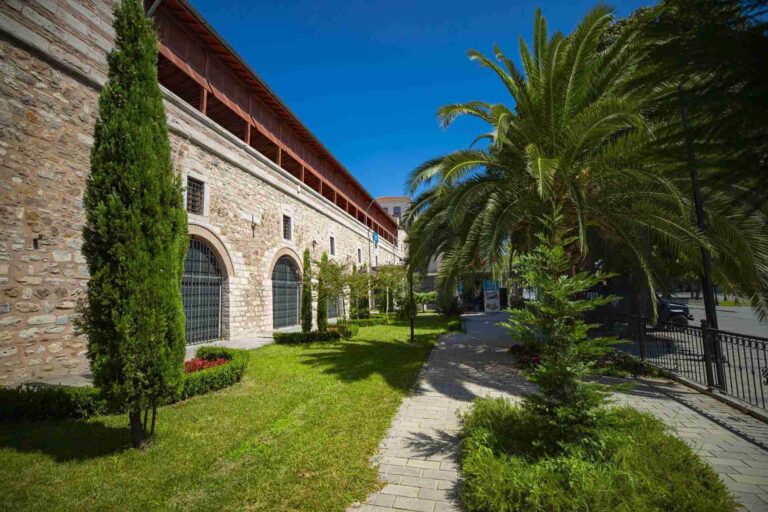
Museum of Turkish and Islamic Arts History, Exhibits, Entrance Fee, and Visiting Hours
The Turkish and Islamic Arts Museum in Istanbul is a significant cultural institution that showcases a wide array of artifacts from various Islamic periods, including the Abbasid, Mamluk, Seljuk, and Ottoman eras. It is Turkey’s first comprehensive museum of Turkish-Islamic art. Historical Background and Location Originally named the “Evkaf-ı Islâmiye Müzesi” (Islamic Foundations Museum), it…
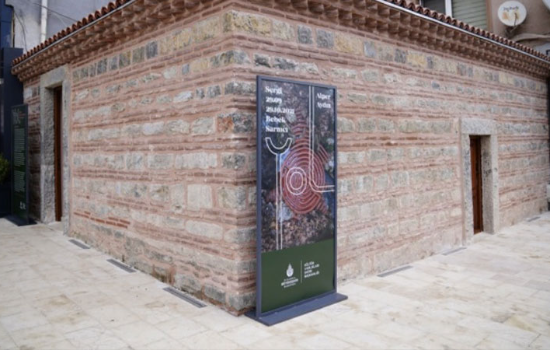
Bebek Cistern Gallery
The Bebek Cistern Gallery, restored by the Istanbul Metropolitan Municipality, was opened on September 29, 2021, as an exhibition and art space. Bebek Cistern is one of the cisterns that, from the mid-19th century to the late 20th century, was favored by city residents as a recreational spot and was also used for various purposes…
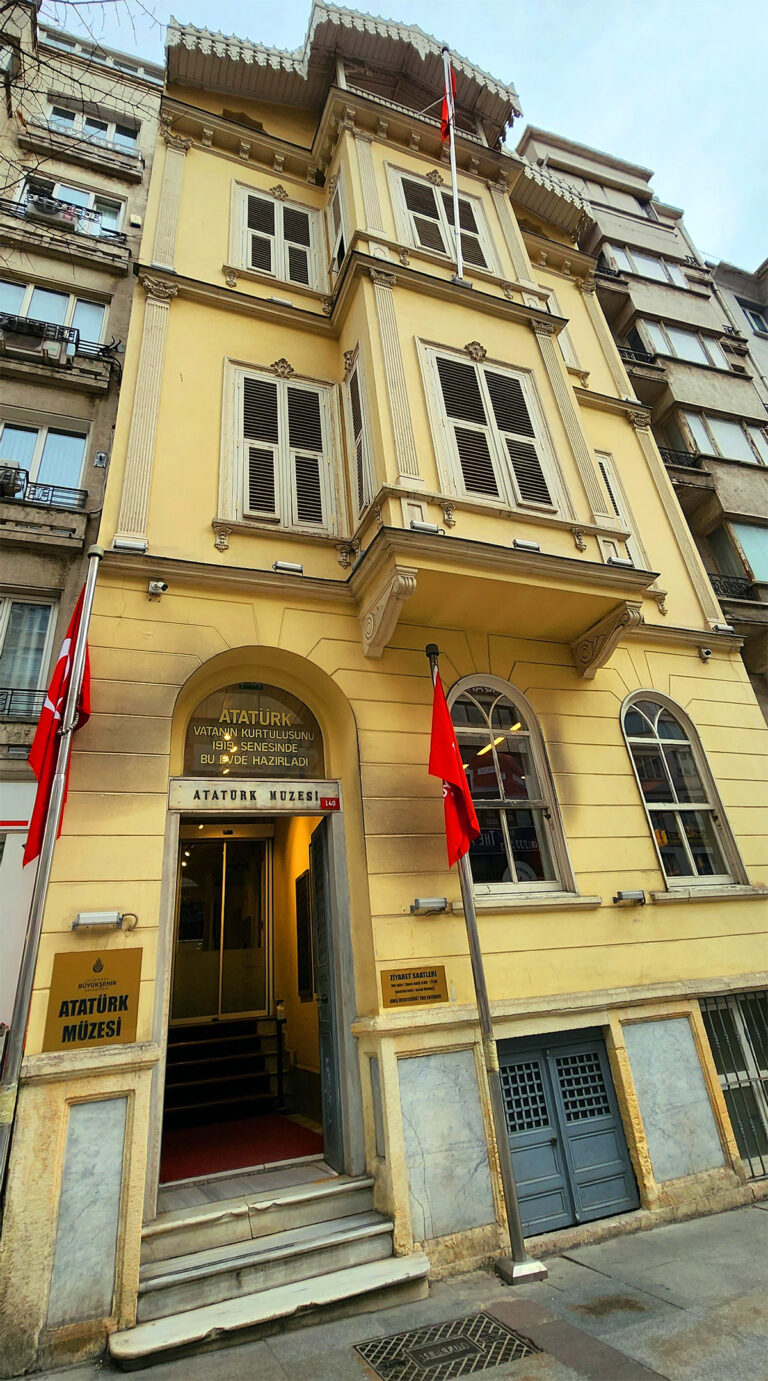
Atatürk Museum Location, History, Exhibits, Entrance Fee, and Visiting Hours
Atatürk Museum (Istanbul) Opening: 1942 Location: Şişli, Istanbul, Turkey Coordinates: 41°03’23″N 28°59’14″E Type: Biography Management: Istanbul Metropolitan Municipality The Atatürk Museum, also known as the Revolution Museum, is located on Halaskargazi Street in Istanbul’s Şişli district. The building, which was converted into a museum by the Istanbul Metropolitan Municipality in 1942, was previously the residence…