Similar Posts
Cartoon and Humor Museum History, Exhibits, Entrance Fee, and Visiting Hours
The Cartoon and Humor Museum, located in the historic complex of Müze Gazhane, offers a journey through Turkey’s humor history, reflecting various periods and movements. This museum brings to the present the reflections of our political, social, and sociocultural life through the art of drawing, paying homage to all representatives of the field, from the…
Museum Of The History Of Science And Technology In Islam
The Museum of the History of Science and Technology in Islam is a unique and historically significant institution located in Istanbul, Turkey. Situated in the Has Ahırlar Building adjacent to the Palace Wall in Gülhane Park, the museum showcases the rich scientific and technological advancements made by Muslim scholars between the 9th and 16th centuries….
Atatürk Museum Location, History, Exhibits, Entrance Fee, and Visiting Hours
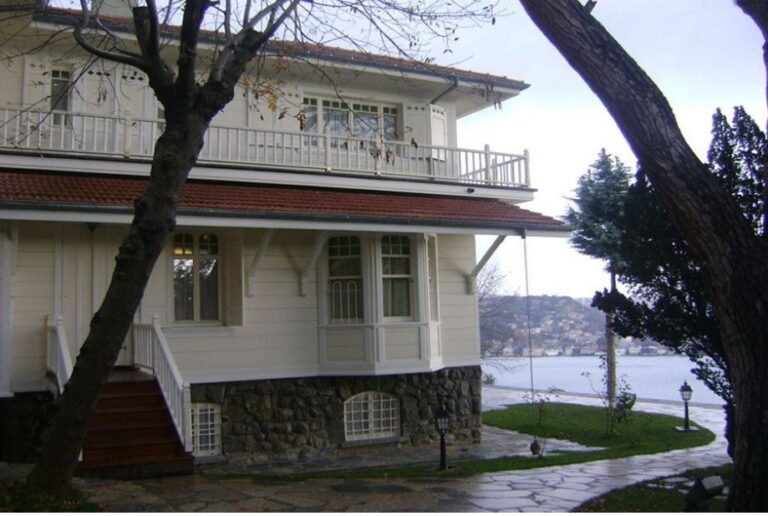
Atatürk Museum (Istanbul) Opening: 1942 Location: Şişli, Istanbul, Turkey Coordinates: 41°03’23″N 28°59’14″E Type: Biography Management: Istanbul Metropolitan Municipality The Atatürk Museum, also known as the Revolution Museum, is located on Halaskargazi Street in Istanbul’s Şişli district. The building, which was converted into a museum by the Istanbul Metropolitan Municipality in 1942, was previously the residence…
Children Science Center History, Exhibits, Entrance Fee, and Visiting Hours
The Children’s Science Center, located within the historical Müze Gazhane building, is a dynamic space that offers a unique learning experience for children. The center is comprised of three main sections and 24 exhibit units. This center presents themes such as understanding energy, grasping the transformation of energy, learning about different types of energy, utilizing…
Basilica Cistern (Yerebatan Cistern Museum) History, Exhibits, Entrance Fee, and Visiting Hours
Yerebatan Sarnıcı Müzesi, also known as the Basilica Cistern, is one of Istanbul’s most significant cultural heritage sites. Built by the Byzantine Emperor Justinian I between 527 and 565 AD, this massive underground cistern is commonly known as the “Yerebatan Palace” due to its numerous marble columns rising from the water. It’s also referred to…